Herb oil toast
Warm bread, brush with oil, finish with chopped herbs and flaky salt.

Each recipe is sliced into swipeable cards so one instruction stays in view while your hands stay near the board. Swipe horizontally on smaller screens to reveal the next beat.
The layout borrows from botanical plates: dense metadata on the margin, airy prose in the center. Numbers describe time and yield, not outcomes.
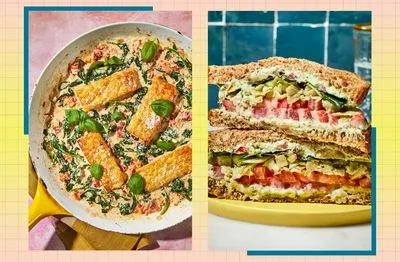
Short outlines illustrate how cards feel in motion. Adjust seasoning slowly; taste often.
Warm bread, brush with oil, finish with chopped herbs and flaky salt.
Reduce chopped tomatoes with garlic until glossy; spoon over grains.
Shave fennel thin, segment citrus, dress with oil and cracked pepper.
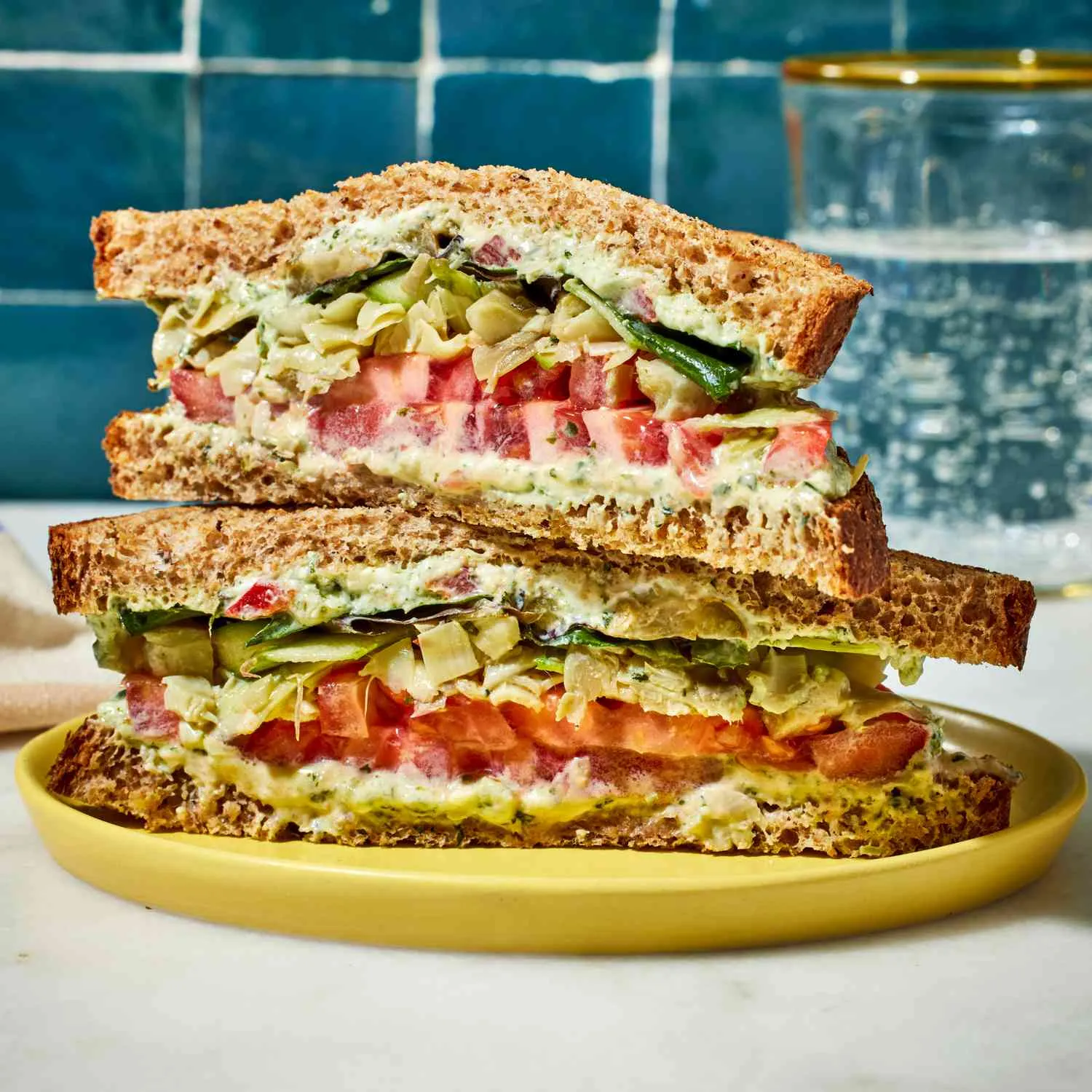
Macro counts appear only when sourced from standardized references on each recipe card. They are informational, not prescriptive, and may vary with ingredient brands.
Try pantry auditTap a step to keep it bright while earlier lines soften. Pair the view with optional audio cues: tapping a timed step schedules a gentle chime—no music licensing required.
Warm oil until it shimmers, then add onions. 5 min cue
Stir in garlic until fragrant, lowering heat if the pan sounds impatient.
Fold in greens until wilted; finish with lemon and salt to taste.
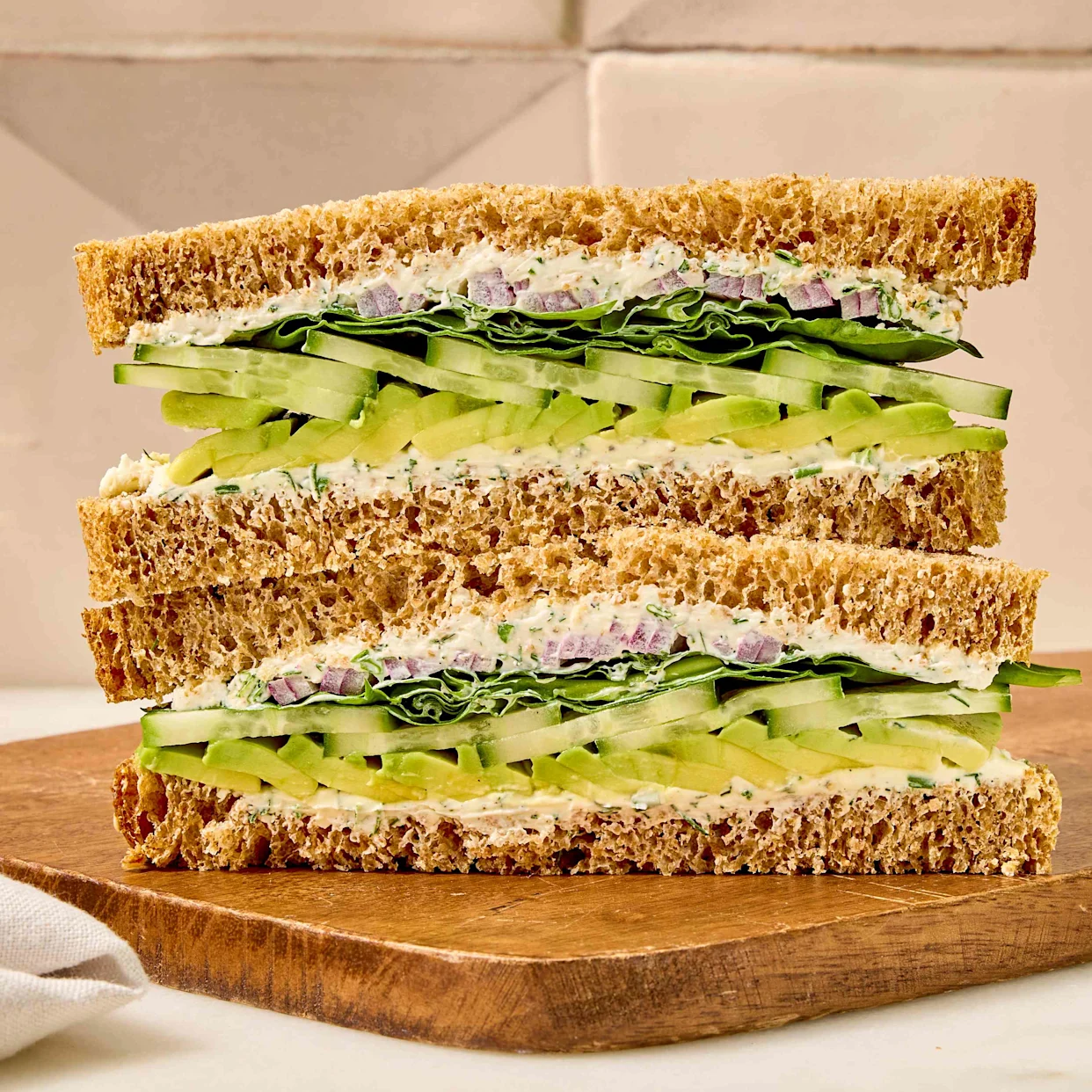
Editorial contact routes live on the Reach page alongside a consent-aware form. Policies for privacy, cookies, terms, and returns stay in the footer to avoid cluttering navigation.
Contact the team